If you are the treasurer, chairman or facility manager of a gated estate in Lagos, Abuja or anywhere in Nigeria, you already know the hardest part of the job is not fixing the borehole or renewing the security contract. It is getting everyone to pay.
Security guards, waste collection, streetlights, diesel for the gatehouse, road repairs: all of it runs on levies. When collection is slow, the estate feels it quickly. The guards are owed, the generator runs dry, and the committee ends up spending its evenings on WhatsApp reminding neighbours, one by one, that dues are overdue.
This guide covers why collection breaks down and the practical steps estates are using to fix it, so your committee can spend less time chasing and more time running the estate.
Why levy collection is so hard in Nigerian estates
Most residents are not refusing to pay. Talk to almost any estate executive and the same few problems come up:
- No clear record of who has paid. Payments arrive by bank transfer with narrations like "Mr B" or "Payment," and the treasurer has to match them to houses by hand from a bank statement.
- Reminders depend on one person. If the treasurer is travelling or busy, reminders stop and so do payments.
- One size doesn't fit all. Some residents prefer to pay monthly, others quarterly or annually. A rigid system pushes people to delay until they can "pay everything at once."
- Trust gaps. When residents can't see where the money goes, they become slower to pay. "What did they use last quarter's money for?" is a common question at AGMs.
- Awkwardness. Nobody enjoys asking a neighbour for money in the general WhatsApp group. So reminders are soft, late, or avoided altogether.
The good news is that most of these are process problems, not people problems. Fix the process and collection usually improves.
Step 1: Agree the levy structure in writing
Before chasing anyone, make sure the basics are clear and approved at a general meeting:
- What each levy covers (security, sanitation, power, development, etc.)
- How much each unit type pays (flat, duplex, commercial unit)
- When payment is due and what payment periods are allowed
- What happens when payment is late
Put this in a short, plain-language document and share it with every resident. A levy that was agreed openly is much easier to collect than one that "just appeared."
Step 2: Keep one accurate resident register
You cannot collect from people you can't reach. Build a single register with each unit, the responsible resident or landlord, phone number and email address. Update it whenever someone moves in or out.
This sounds basic, but many estates run on an old spreadsheet, a WhatsApp group and the chairman's memory. A clean register is the foundation for everything else, including security, which we'll come back to.
Step 3: Offer flexible payment periods
Let residents choose the period that matches how they earn. A salaried tenant might prefer monthly; a business owner might prefer quarterly; a landlord might want to pay the year upfront. Flexibility removes one of the most common excuses for delay and makes budgeting easier for everyone.
The key is that the system, not the treasurer, keeps track of who is on which period and when each person is next due.
Step 4: Automate reminders, and stop sending them personally
Reminders work best when they are regular, polite and impersonal. A message that arrives automatically a few days before the due date, on the due date and after it is overdue doesn't feel like a neighbour nagging. It feels like a bill, which is exactly what it is.
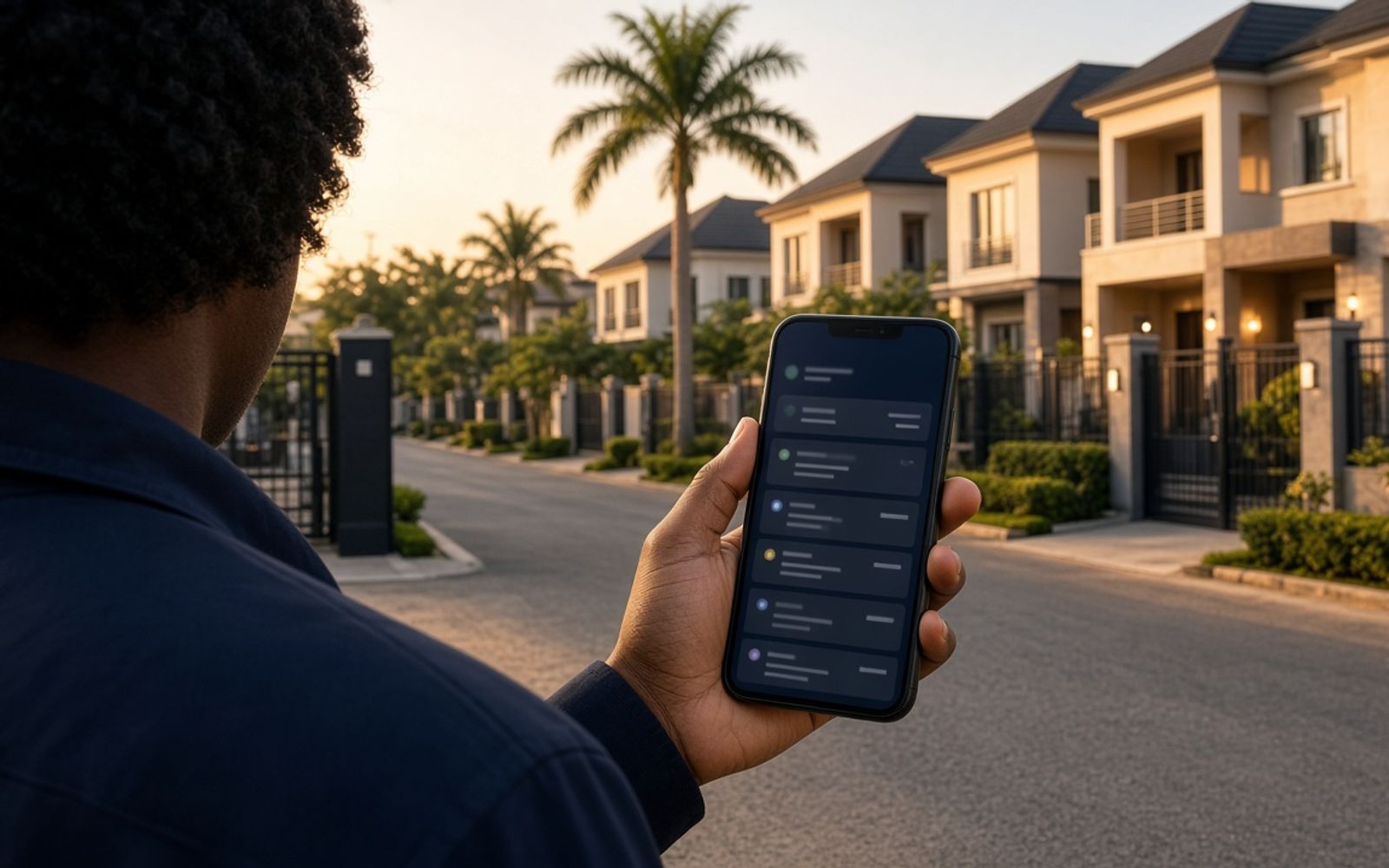
Send reminders through the channels residents actually check. For most Nigerian estates that means SMS for reach, email for records, and in-app notifications for residents who use a mobile app.
Step 5: Make it easy to see who has paid
The treasurer, chairman and FM company should be able to answer one question in seconds: who has paid, and who hasn't? Without that view, follow-ups are guesswork and disputes are common ("But I paid in March!").
A live view of payment status by unit means:
- Follow-ups go only to people who actually owe
- Residents who paid are never embarrassed by a wrong reminder
- The committee can report collection progress at meetings with confidence
Step 6: Report back to residents regularly
Transparency is the best collection tool most estates aren't using. A short monthly or quarterly financial report showing what came in and what it was spent on (security wages, diesel, repairs) builds trust. Residents who can see the value of their levy are far more likely to pay the next one on time.
Step 7: Have a fair, consistent process for defaulters
Some residents will still fall behind. Agree in advance what happens, apply it the same way to everyone and communicate it calmly. Many estates offer a grace period, then a personal follow-up from the committee, and then whatever measures their constitution allows. Consistency matters more than strictness: residents accept rules that are applied fairly.
Where an estate management app helps
You can do all of the above with spreadsheets and discipline, but it takes a lot of volunteer time. That is why more estates are moving levy collection into a dedicated estate management platform.
XTEREA was built for gated estates and commercial complexes in Nigeria. For levy collection, it gives your committee or FM team:
- Flexible payment periods so each resident can pay in the way that suits them
- Automated payment reminders by SMS, email and in-app notification, so the treasurer doesn't have to send them
- A clear view of who has paid, in real time, by unit
- Optional monthly financial reports to keep residents informed
- A complete resident database with exportable reports and period-over-period comparisons
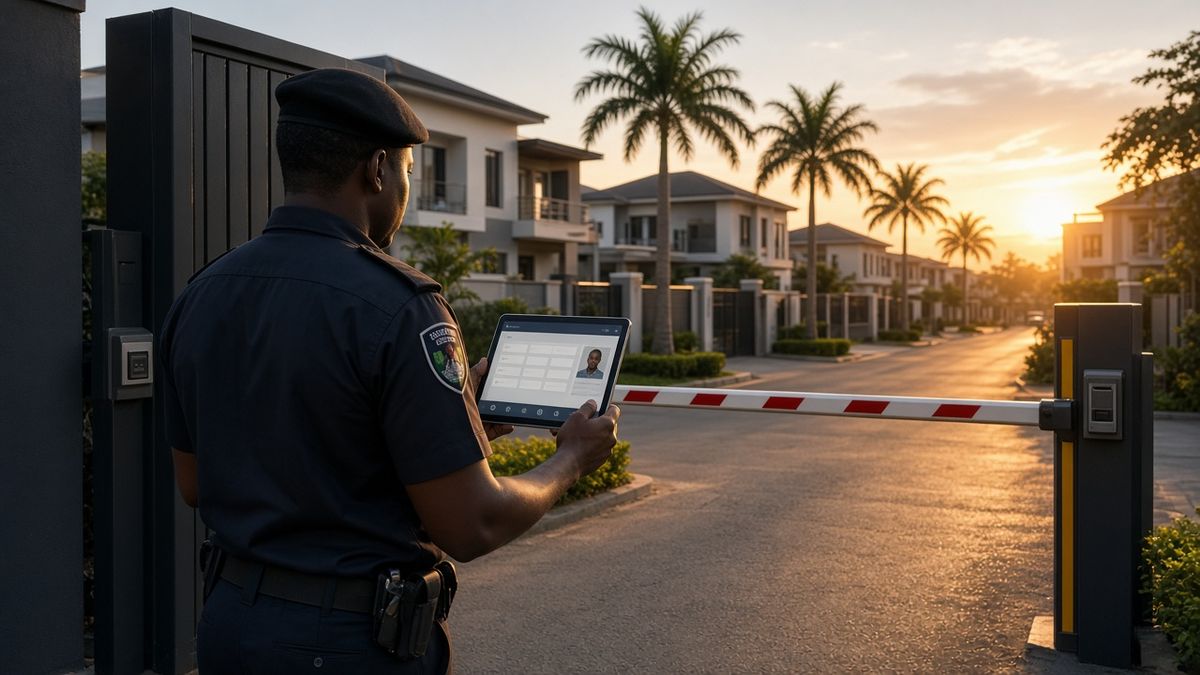
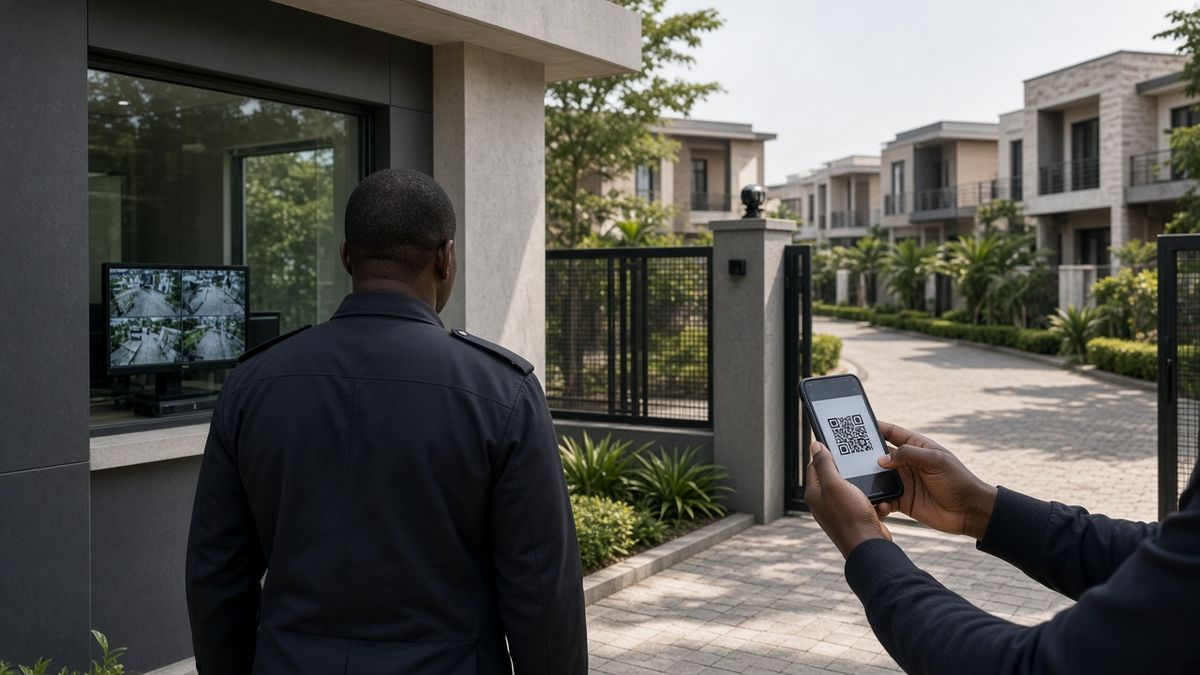
And because levies and security belong together, the same app handles your gate: one-time and recurring visitor access codes, a live gate log for your guards, and CCTV and boom gate integration on the Maximum Coverage plan. Complaints and maintenance requests, estate elections and announcements all live in one place too.
A simple checklist to start this month
- Confirm your levy structure is agreed and documented
- Clean up your resident register
- Decide which payment periods you'll allow
- Set up automatic reminders before and after due dates
- Give the treasurer a live view of who has paid
- Share a short financial report with residents
- Agree and publish your defaulter process
Run your estate from one app
Collecting levies shouldn't depend on one tired volunteer and a WhatsApp group. With the right process and the right tools, payments become routine, residents trust the committee more, and your estate's security stays funded.
Secure your gate, collect your levies, run your estate from one app. If you'd like to see how XTEREA could work for your estate, book a demo at xtereasecurity.com. We'll walk your committee through it at a time that suits you.